
Read the design assumptions
A capacity recommendation should relate to the building being served. Clarify which insulation, windows, and room layout were included, especially when improvements will follow the installation.
Request heat pump repair & installation for a property in Toronto. Include the equipment, the problem or planned work, and your location so the request can be reviewed.
A heat-pump model number alone does not describe a heating conversion. Quotations can assume different building loads, backup arrangements, or retained ducts. Compare these assumptions alongside equipment output and the installation scope so a purchase decision reflects the completed system rather than a single advertised specification.
Provide the current heating system and any planned building changes. Ask for stated heating and cooling loads, exact models, and how supplementary heat is controlled.
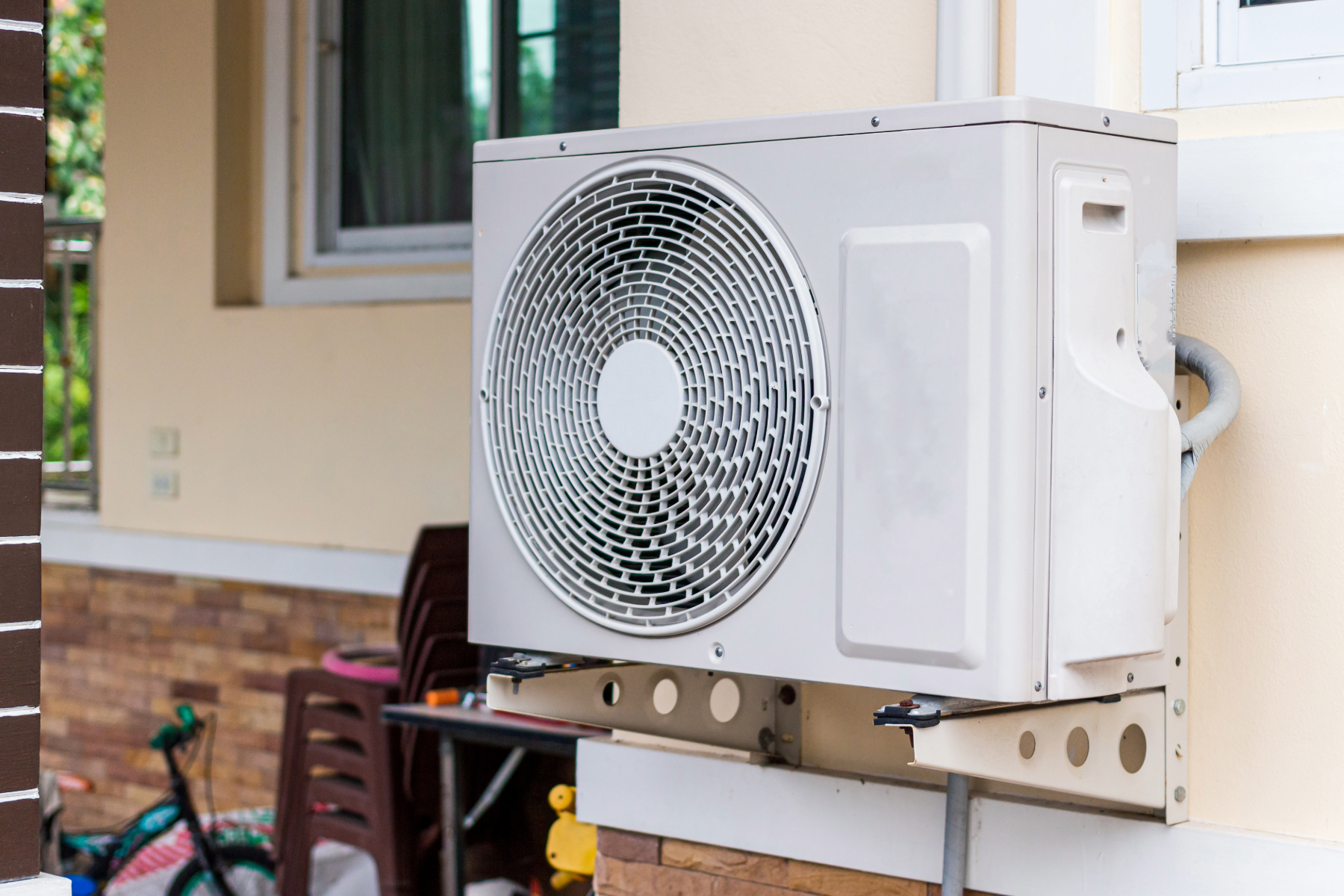
A capacity recommendation should relate to the building being served. Clarify which insulation, windows, and room layout were included, especially when improvements will follow the installation.
Ask when another heating source operates, what triggers the change, and how its electrical or fuel requirements fit the design. Retained equipment needs an explicit role.
Include ductwork, controls, electrical changes, outdoor placement, drainage, and commissioning. These connections can distinguish two proposals that use a similar outdoor model.
Require the same finished-building assumptions from each bidder. Review heating output, supplementary operation, and installation interfaces as one design; obtain clarification wherever a proposal leaves the existing system's role unspecified.
Cold-climate capability does not prove that one model covers every home heating load. Ask how the selected equipment and supplementary heat meet the actual design requirements.
Send the property location, equipment information, and requested work for review.